
025-9036966

日期:2026-01-02
Analyzing coaching styles in Chinese football
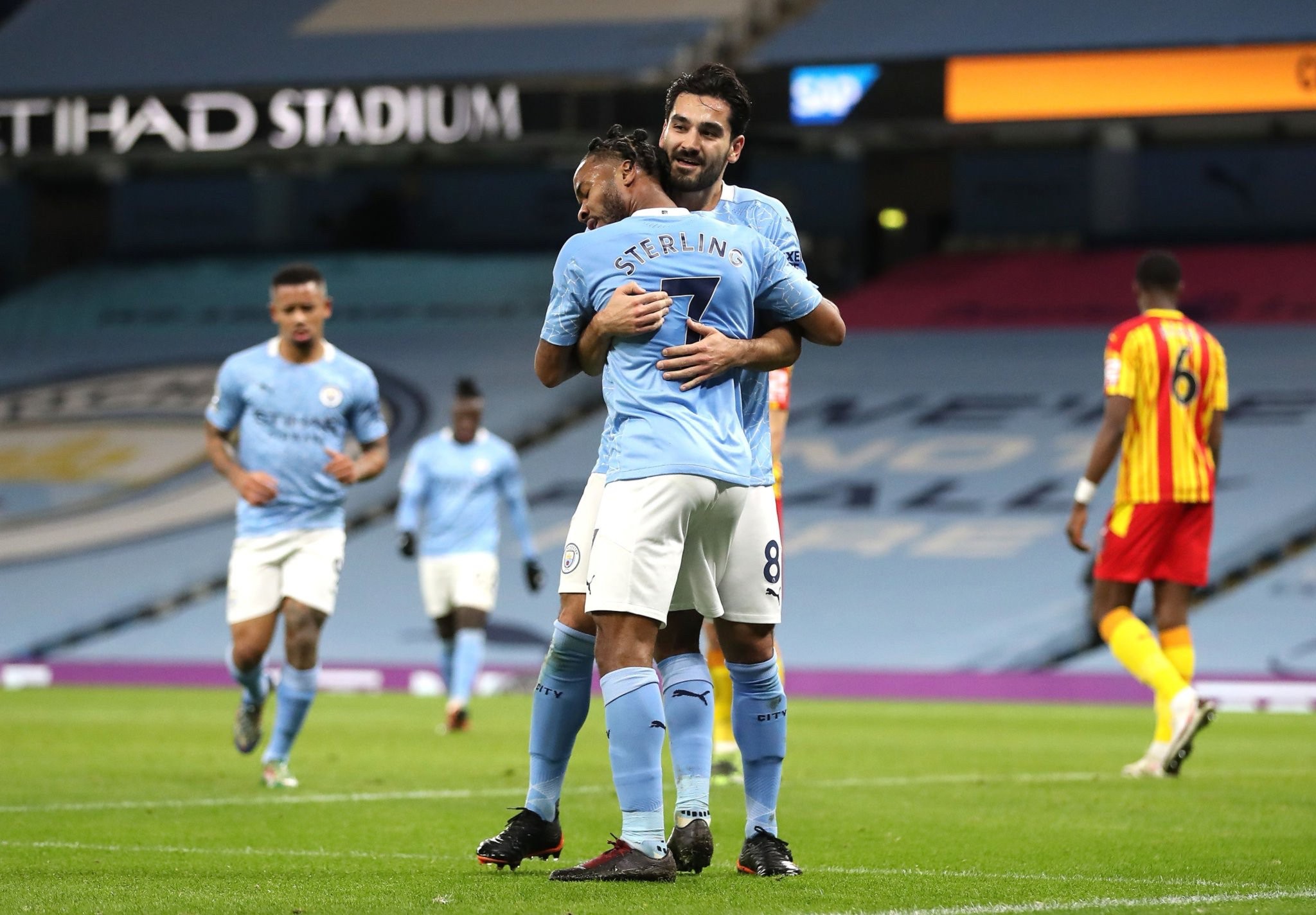
The user is bringing up a statement about Shao Jiayi's coaching style in Chinese football, describing it as a "big-brother" approach, which could mean a nurturing yet authoritative style. It's interesting to think about how this could benefit teams facing challenges like corruption and financial instability, especially with young players needing guidance. I'll explore the pros and cons of this style, compare it to other coaches like Li Tie, and emphasize the importance of balancing traditional methods with tactical advancements in modern football.

看点与判断

“大哥式”=强人格背书+情感管理+替队员扛事。对当下中超/中甲资金紧、舆论躁动、阵容流动大的环境,确实能稳更衣室、提升执行力和抗压。
适配点:邵佳一本人资历与威望足、与球员代际接近、沟通顺畅;能在短周期内把注意力从外部噪音拉回到赛场,解决“怕输、不敢踢”的心理问题。
风险点:过度熟人化带来边界松动;技战术细化、数据化训练与周期化管理如果跟不上,成绩瓶颈会很快暴露;当成绩承压时,“哥们义气”不等于权威。
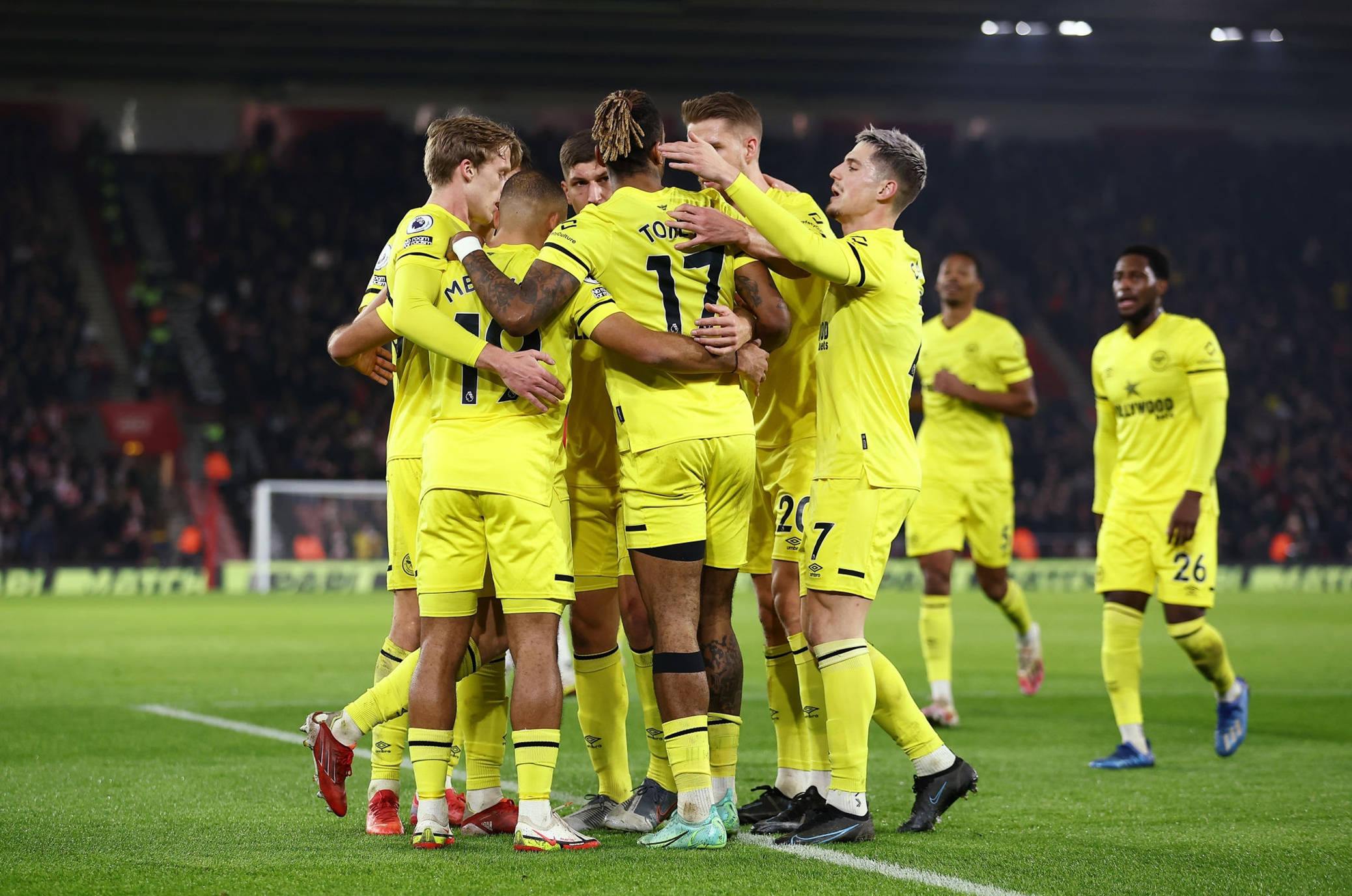
要想跑通的关键做法:
观察指标(判断是否真“适配”):
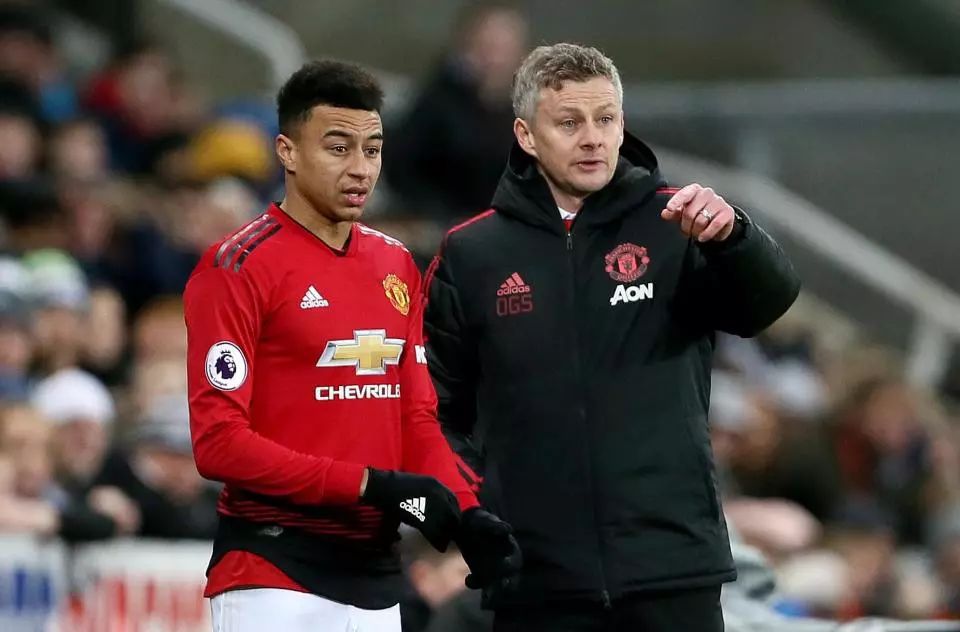
一句话总结:在当前环境下,“大哥式”可以先稳住军心和执行力,是个有效起步方式;但要想走远,必须用制度和专业化团队把“情感领导”升级为“组织能力”和“可复制的比赛模型”。
地址:河南省鹤壁市淇滨区黎阳路街道
电话:025-9036966
邮箱:admin@zhapps-kaiyunsports.com